Introduction
Ergonomic office seating 2026 is no longer a nice-to-have workplace perk — it is a strategic investment directly tied to workforce health, regulatory compliance, and operational efficiency. Work-related musculoskeletal disorders (MSDs) remain the leading cause of occupational illness across North America and Europe, accounting for over 33% of all worker compensation claims in the U.S. alone, per OSHA data.
The Clinical Impact of Ergonomic Seating on Worker Health
Multiple peer-reviewed studies confirm that properly specified ergonomic chairs deliver measurable reductions in pain and absenteeism, compared to standard non-adjustable office seating.
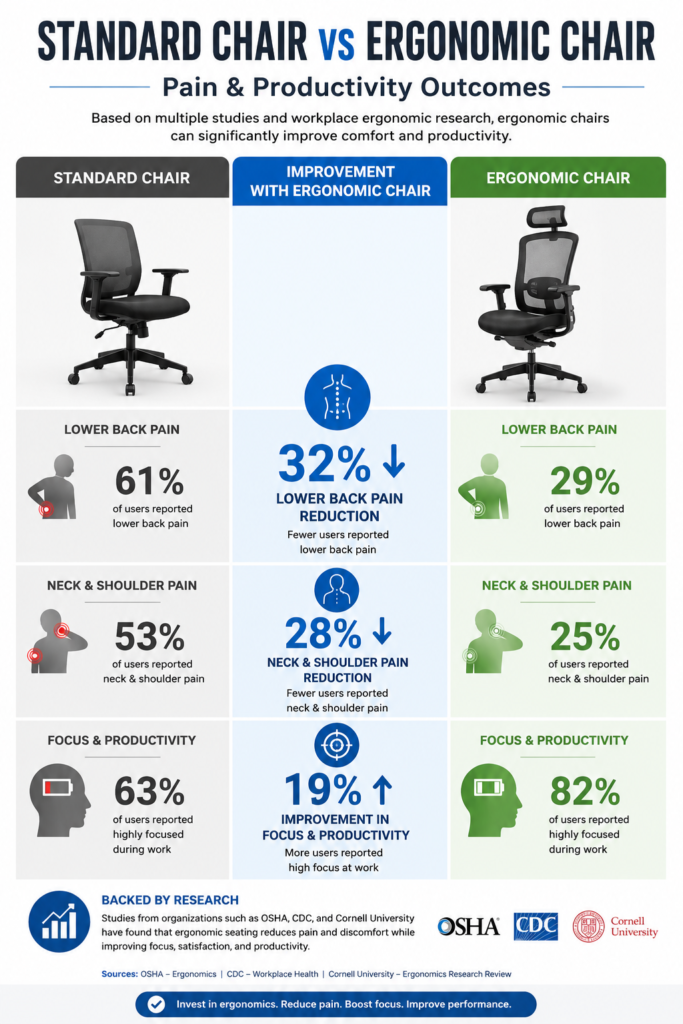
A 2024 systematic review and meta-analysis published in the Journal of Occupational and Environmental Medicine analyzed data from 27 controlled trials covering over 4,200 office workers. It found that ergonomic chair interventions reduced self-reported low back pain intensity by 32% and neck/shoulder pain by 28% over a 12-week period, with the greatest benefits seen among workers with pre-existing mild to moderate discomfort.This clinical data is why ergonomic office seating 2026 specifications are increasingly written into corporate workplace health and safety policies.
For employers, this translates directly to bottom-line savings: OSHA estimates that U.S. businesses spend $15–$20 billion annually on direct costs related to MSDs, with indirect costs (absenteeism, lost productivity, turnover) reaching 2–5 times that figure. Investing in compliant ergonomic seating is recognized by OSHA as a high-ROI control measure for reducing these risks.
Additional research from the Finnish Institute of Occupational Health found that workers using fully adjustable ergonomic chairs reported 19% higher task concentration and 12% fewer error rates during prolonged computer work, compared to those using fixed-configuration office chairs.
Global Standards That Define Commercial-Grade Ergonomic Quality
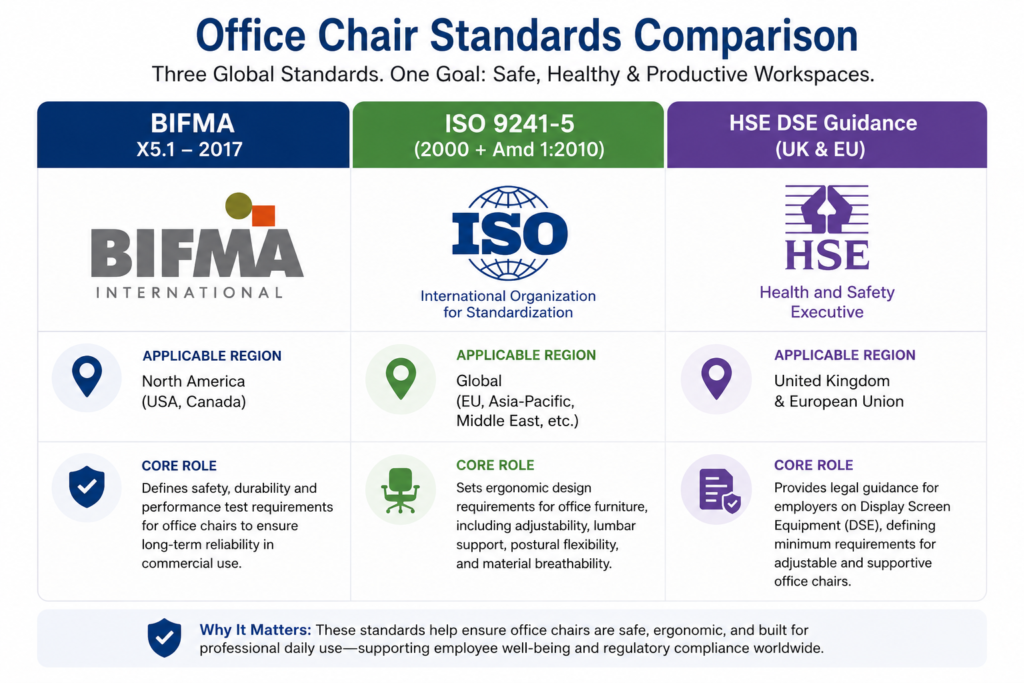
Not all chairs labeled “ergonomic” deliver meaningful support. Third-party standards are the most reliable way to verify performance, durability, and safety for commercial use. Below are the three most widely recognized benchmarks for 2026.These third-party certifications are the most reliable way to validate the quality of ergonomic office seating 2026 for commercial procurement.
1. ANSI/BIFMA X5.1: Office Task Chairs Standard (North America)
The ANSI/BIFMA X5.1-2023 standard is the mandatory baseline for commercial office chairs sold into corporate, government, and education markets in the U.S. and Canada. It sets rigorous testing requirements for:
- Structural strength and durability (120,000+ cycle tilt mechanism testing)
- Stability under load and tipping resistance
- Gas lift safety and durability
- Armrest and backrest strength
- Flammability compliance
Chairs that pass full BIFMA X5.1 testing carry formal certification, and are accepted as compliant for most public sector and corporate RFQ requirements.
2. ISO 9241-5: Ergonomic Requirements for Office Work (International)
The ISO 9241-5:2000 + Amd 1:2010 standard is the global benchmark for ergonomic design of office furniture, used across the EU, Asia-Pacific, and Middle East markets. It specifies minimum requirements for seat height/depth adjustment ranges, backrest lumbar positioning, postural flexibility, and material breathability.
For international procurement teams, ISO 9241 compliance is a universal signal that a chair is designed for occupational use, not just residential or occasional use.
3. HSE DSE Guidance (UK & EU)
The UK Health and Safety Executive’s Display Screen Equipment (DSE) regulations place a legal duty on employers to provide adjustable seating for all daily DSE users. While not a product certification, the guidance defines enforceable minimums for workplace chairs, including adjustable seat height, stable five-star bases, and dedicated backrest support.
Non-Negotiable Ergonomic Features for 2026 Commercial Seating
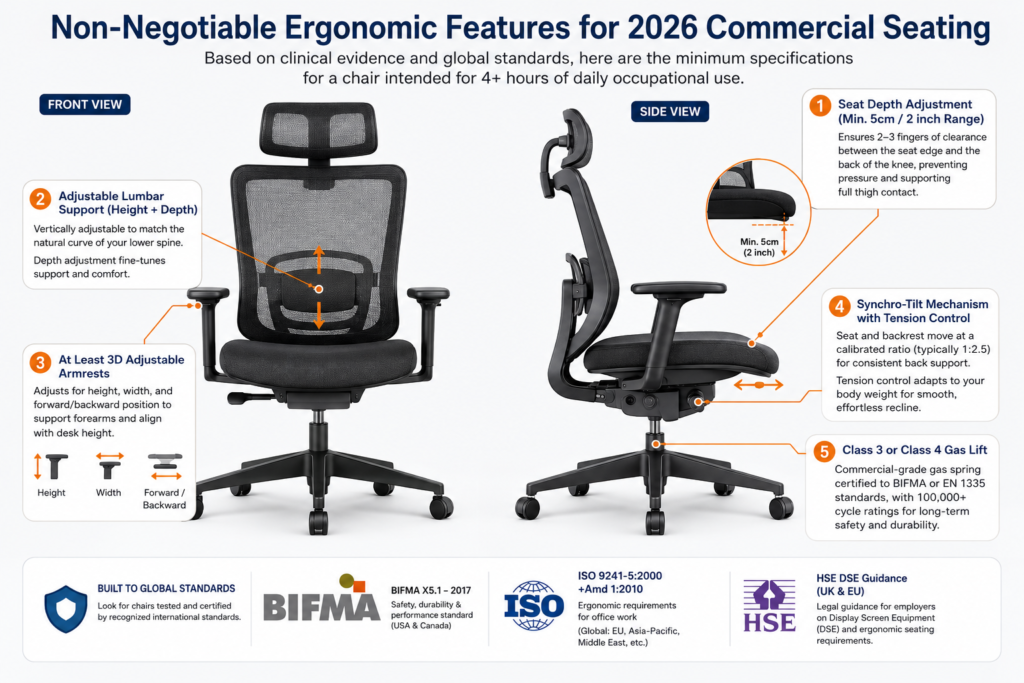
Based on clinical evidence and global standards, here are the minimum specifications for a chair intended for 4+ hours of daily occupational use.
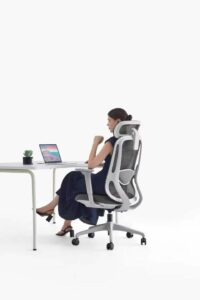
- Seat depth adjustment (minimum 5cm / 2 inch range) This is the single most underrated ergonomic feature. Proper seat depth ensures 2–3 fingers of clearance between the front edge of the seat and the back of the knee, preventing pressure on the popliteal artery and supporting full thigh contact. Fixed one-size-fits-all seats fail workers outside the 5’4″–6’0″ height range.
- Adjustable lumbar support (height + depth) Fixed “lumbar pads” are mostly cosmetic. Clinical guidelines require lumbar support to be vertically adjustable to match the natural inward curve of the lower spine, which varies by torso length. Premium models add depth adjustment to customize support firmness.
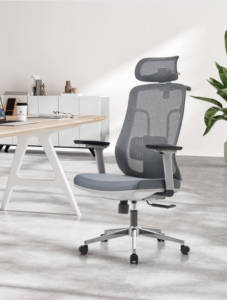
- At least 3D adjustable armrests Armrests must adjust for height, width, and forward/backward position to align with desk height and support the forearms during typing. 4D armrests (adding pivot rotation) are recommended for design, engineering, and creative roles that involve varied mouse and keyboard positions.
- Synchro-tilt mechanism with tension control A synchro-tilt system moves the seat and backrest at a calibrated ratio (typically 1:2.5) to maintain consistent back support during recline. Individual tension control lets users of different body weights adjust resistance for natural, effortless movement.
- Class 3 or Class 4 gas lift Gas lifts are the highest-risk component in office chairs. Commercial-grade chairs use Class 3 or Class 4 gas springs certified to BIFMA or EN 1335 standards, with 100,000+ cycle ratings. Unrated gas lifts are common in budget consumer chairs and are not suitable for daily commercial use.
Seating Recommendations by Workplace Scenario
Different roles and work patterns require different seating specifications. Match your chair selection to the actual usage profile to balance cost, comfort, and durability.
- 8+ Hour Daily Task Seating (call centers, engineering, admin teams) Specify full BIFMA X5.1 certified chairs with 4D armrests, adjustable depth lumbar, and heavy-duty synchro-tilt mechanisms. Prioritize breathable mesh backs for all-day temperature comfort. This is the category where ergonomic quality delivers the greatest health and productivity ROI.
- Hot-Desking & Shared Workstations Prioritize wide adjustment ranges and intuitive, tool-free controls so users can set up the chair in under 30 seconds. Look for adaptive foam seat cushions that accommodate varied body types. Avoid highly customized controls that require training to use correctly.
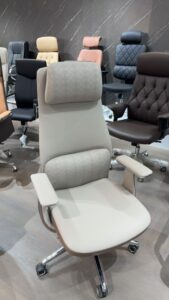
- Executive & Private Offices Combine premium ergonomic mechanisms with higher-end upholstery (high-performance fabric, premium leather alternatives) and polished aluminum bases. Ensure executive chairs still meet BIFMA durability standards — many aesthetic-focused executive chairs skimp on mechanism quality despite their high price tag.
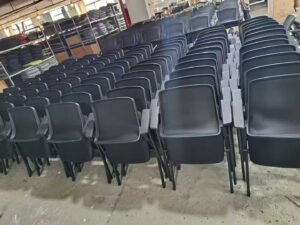
- Meeting & Training Rooms Prioritize cleanability, stackability/nestability, and space efficiency, while retaining basic lumbar support and stable bases. For rooms used for 2+ hour meetings, add mid-back support and padded armrests to prevent fatigue during long sessions.
5 Red Flags of “Fake Ergonomic” Chairs
Many budget and consumer-market chairs use the word “ergonomic” as a marketing label without meeting functional standards. Avoid these common red flags:
- Fixed, non-adjustable lumbar support that cannot be repositioned vertically
- No seat depth adjustment, even on “premium” models
- Only 1D (height-only) or 2D armrests
- No mention of BIFMA, ISO, or EN 1335 certification in product specifications
- Gas lift with no class rating or third-party safety certification
Conclusion
Investing in ergonomic office seating 2026 is a high-impact decision for workforce health, regulatory compliance, and long-term operational efficiency.In 2026, buyers no longer need to rely on marketing claims — peer-reviewed clinical data and standardized third-party testing make it possible to quantify the benefits and verify the quality of every chair you specify.
The best procurement strategy is simple: start with usage requirements, filter for certified compliance with recognized industry standards, and prioritize the adjustable features with the strongest evidence base for reducing pain and fatigue. Over the 10+ year lifespan of a commercial chair, this approach delivers lower total cost of ownership and measurably better outcomes for your team.
CTA: Explore our full line of BIFMA-certified commercial ergonomic seating, engineered for 8+ hour daily use and backed by a 10-year structural warranty.